Imom Buxoriy xalqaro ilmiy-tadqiqot markazi bukhari.uz




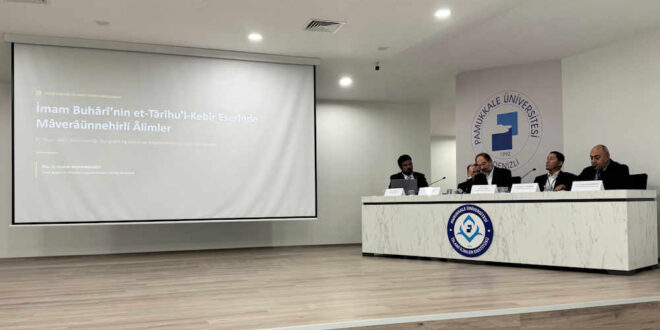
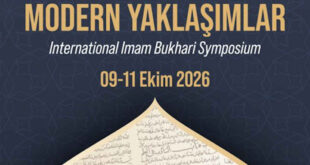
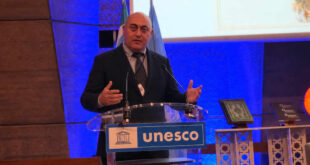
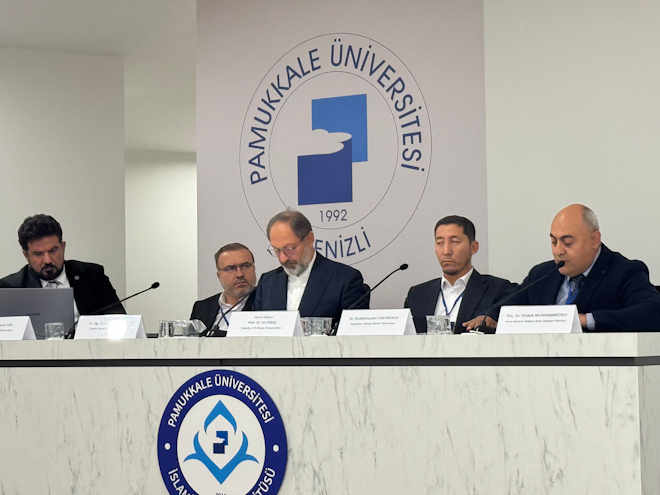
On October 10, a scientific session was held as part of the international symposium titled “Imam al-Bukhari’s Scholarly Legacy: Traditional and Contemporary Approaches,” hosted by the Institute of Islamic Sciences at Pamukkale University in Türkiye. During the session, Otabek Mukhammadiyev, Deputy Director of the Imam Bukhari International Scientific Research Center, delivered a presentation entitled “Scholars of Transoxiana in Imam al-Bukhari’s Al-Tarikh al-Kabir.”
The presentation explored the development of hadith scholarship in Transoxiana during the ninth century, highlighting the pivotal roles played by Bukhara, Samarkand, Paykand, Nasaf, and Termez as prominent centers of intellectual activity. Particular attention was given to the contributions of local hadith scholars in transmitting Prophetic traditions and critically evaluating the reliability of their narrators.
As emphasized during the presentation, Imam al-Bukhari’s Al-Tarikh al-Kabir contains biographical accounts of 13,779 hadith narrators. Beyond documenting their scholarly activities, this monumental work serves as an invaluable historical source for examining intellectual networks, teacher–student relationships, and the exchange of knowledge across regions during that period.
Drawing on the scholarly contributions of Muhammad ibn Salam al-Paykandi and Abdullah ibn Muhammad al-Musnadi al-Bukhari, the speaker demonstrated that a well-established tradition of hadith scholarship had flourished in Transoxiana even before the emergence of Imam al-Bukhari. He also examined the region’s intellectual connections with the major centers of Islamic learning in the Hijaz, Iraq, and the Levant, underscoring the active participation of Transoxianan scholars in the broader scholarly networks of the Muslim world.
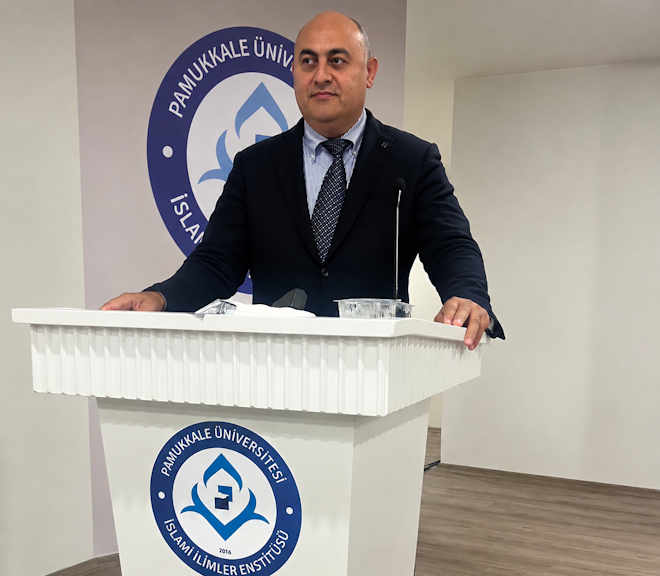
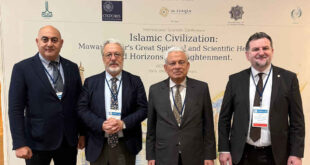
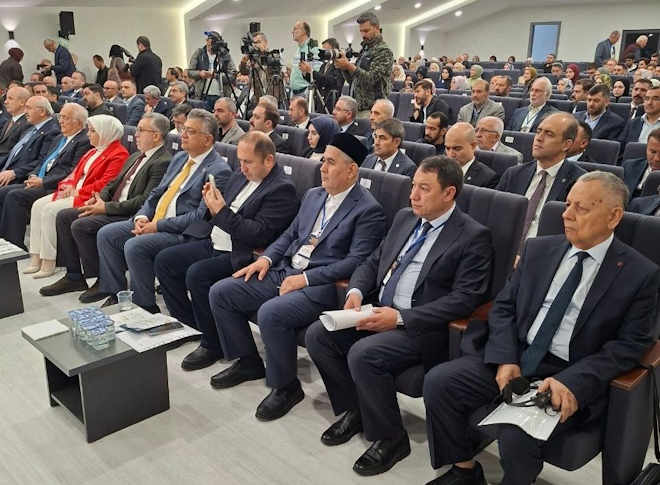
The international symposium brought together more than 60 scholars and researchers from Uzbekistan, Türkiye, Azerbaijan, Kazakhstan, Kyrgyzstan, the United Kingdom, Nigeria, Saudi Arabia, Qatar, Morocco, Jordan, and Algeria.
Throughout the symposium, participants engaged in discussions on Imam al-Bukhari’s methodology in hadith criticism, his jurisprudential views, and the commentaries and marginal annotations written on his works. The sessions also addressed the study of manuscripts preserved in libraries around the world, as well as the application of modern research and preservation methods to safeguard and promote the great scholar’s intellectual legacy.
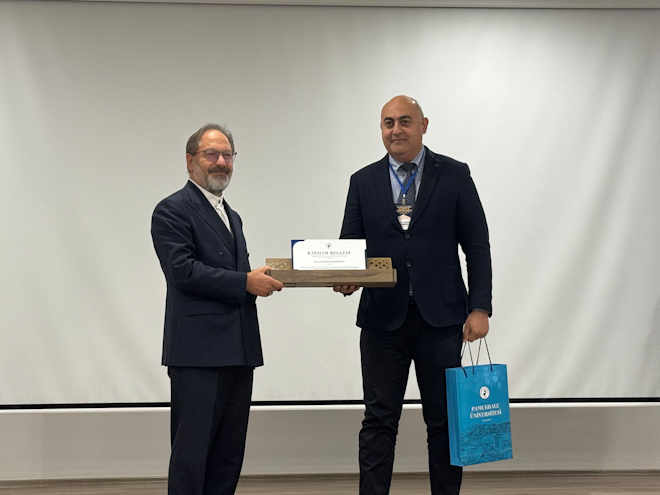
The scholarly exchanges held during the symposium provided a valuable platform for deepening academic understanding of the history of hadith studies and further highlighting the remarkable contributions of Transoxianan scholars to the development of Islamic scholarship and global intellectual civilization.
Press Service