Imom Buxoriy xalqaro ilmiy-tadqiqot markazi bukhari.uz




As part of the nationwide celebrations marking the 35th anniversary of Uzbekistan’s Independence, international academic dialogue aimed at studying the country’s rich historical and spiritual heritage and promoting it globally continues to gain momentum.
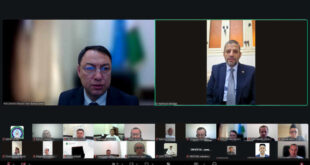
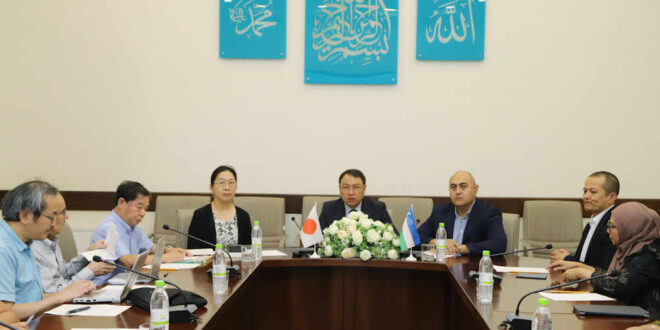
On the eve of this historic anniversary, an international conference titled “The Scholarly Legacy of Transoxanian Scholars: Research and Cooperation” was held at the Imam Bukhari International Scientific Research Center.
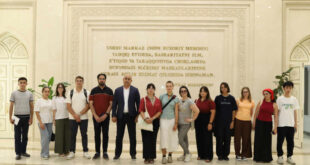
The large-scale reforms carried out during the years of independence to restore national and spiritual values and promote in-depth research into the rich legacy of Uzbekistan’s great scholars and thinkers are increasingly attracting the attention of the global academic community. The participation of leading Orientalists from Japan – Yayoi Kawahara, Tatsuya Nakanishi, Shinmen Yasushi, and Sawada Minoru, representing universities in Tokyo, Kyoto, Chuo, and Toyama – served as a clear testament to this growing international interest. The conference also brought together researchers from the Center as well as Indonesian researchers participating in fellowship programs.
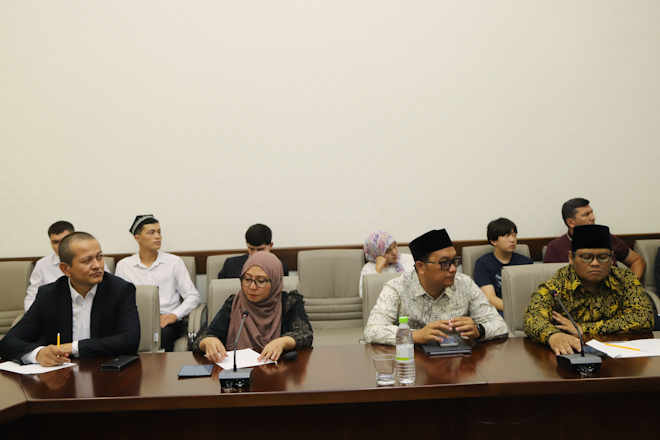
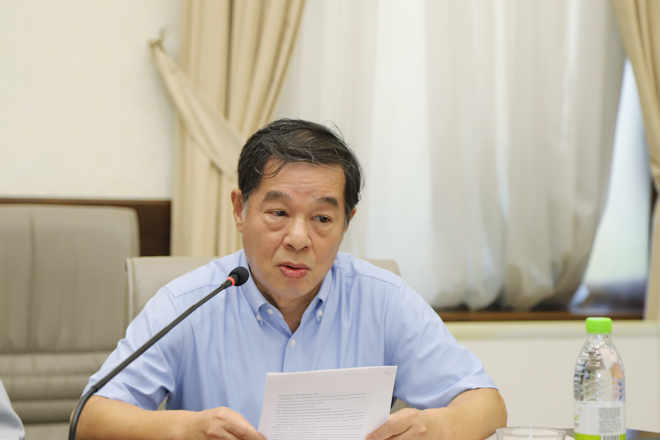
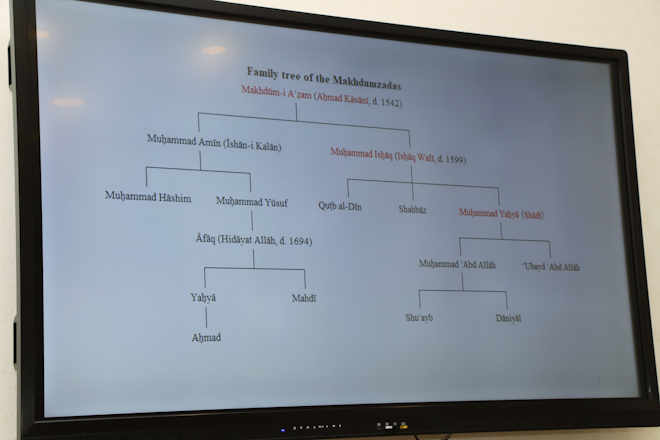
During the conference, Japanese scholars presented the findings of their research on the role of Transoxanian scholars in the spiritual and cultural life of Central Asia and neighboring regions, particularly Eastern Turkestan and the Mongol khanates. They also shared new sources related to Khwaja Ishaq Wali and his descendants, genealogical documents, and rare manuscripts dating from the period of the Kokand Khanate.
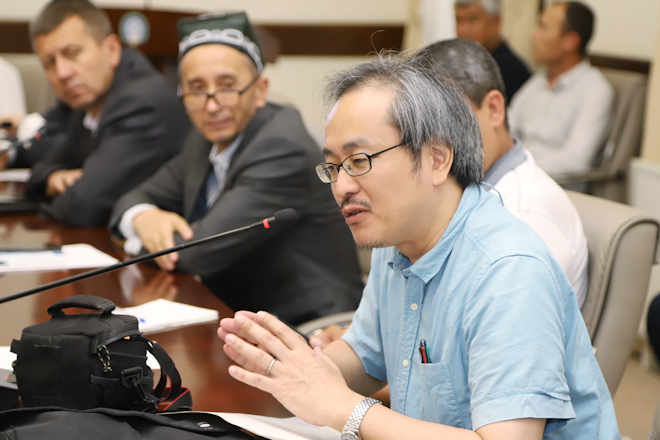
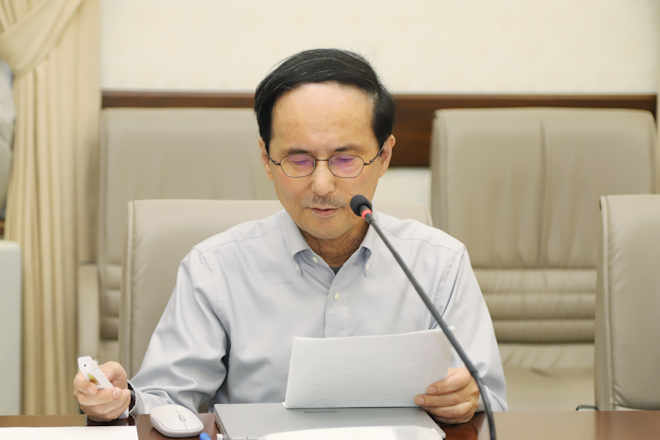
The presentations also featured an in-depth discussion, supported by historical facts and maps, of the historical development of the Tuyuqkhoja Cemetery, pilgrimage sites in the region, and the translation and interpretation of the works of Central Asian thinkers – including Aziz Nasafi and Abdurrahman Jami – within the Hui Muslim community in China.
The discussion was also actively attended by Eka Triyatna Shanti, editor of Indonesia’s Kalimantan Post newspaper; professors Shamsul Ariyadi and Ahmad Hawasi Mahfuz Sain from the Jakarta Institute of Qur’anic Sciences; and Lalu Muhammad Fazlurrahman, professor at Mataram State University.
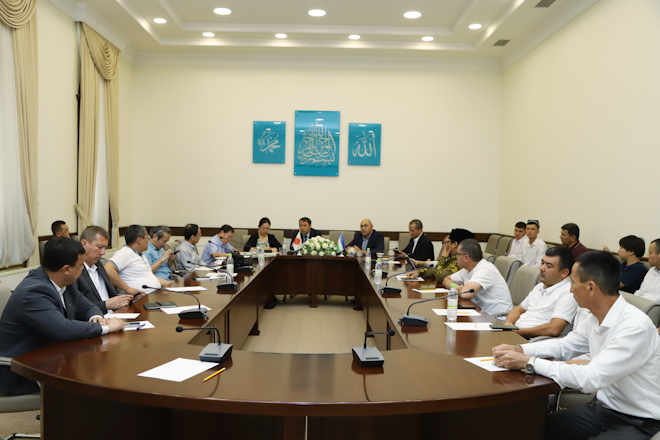
Held on the eve of the Independence Day celebrations, the conference once again demonstrated Uzbekistan’s growing role as a center of academic openness, scholarly exchange, and educational cooperation within the global academic community.
At the conclusion of the event, the participants reached agreements on implementing joint research projects and further expanding cooperation in the field of source studies and manuscript research.
Press Service